
- Mail Address info@velnustech.com
- Phone Number +91-90990-05498

About Us
VelnusTech’s is designed to convert conversations into profitable sales transactions, supercharging your business growth.
ConsultationContact Info
- C-1024, Siddhivinayak Tower, Kataria Automobile Road Makarba, Ahmedabad - 380051
- +91 90990 05498
- info@velnustech.com
- Week Days: 09.00 to 18.00 Sunday: Closed
Automated WhatsApp Messages: The Complete Guide to Smarter Customer Communication
What Are Automated WhatsApp Messages?
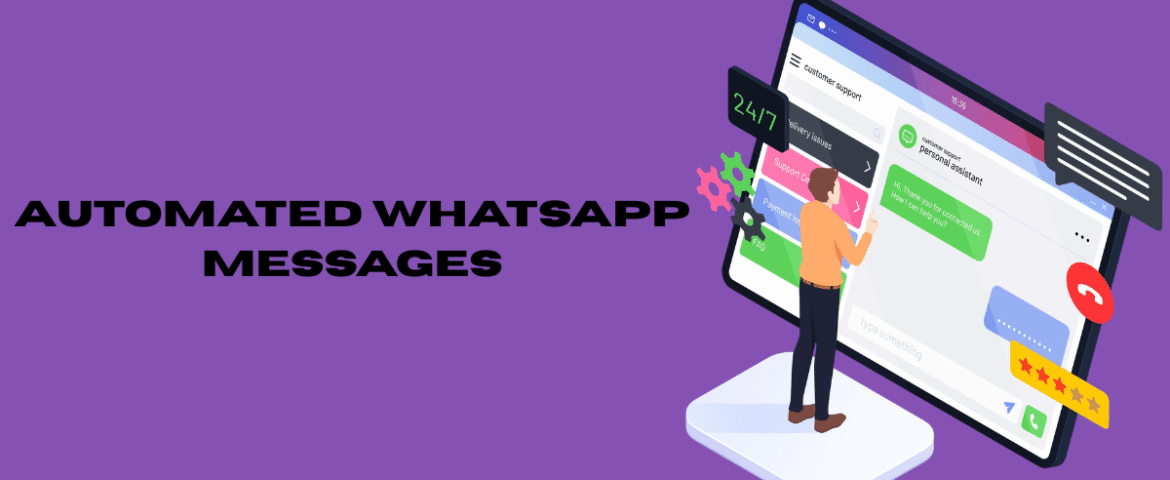
Automated WhatsApp messages are pre-configured messages that are sent automatically when specific conditions or events occur. Instead of manually responding to every inquiry, businesses can use automation to instantly reply to customers, share important information, send reminders, and maintain continuous communication.
Automation helps save time, improve response speed, and ensure that customers receive accurate information without unnecessary delays. Whether it is a greeting, order update, appointment reminder, or follow-up message, automation creates a more efficient communication process.
With increasing customer expectations for instant responses, automated messaging has become an essential part of modern business communication.
Why Automated WhatsApp Messages Matter
Today’s customers expect immediate replies. Waiting several hours or even minutes can lead to missed opportunities. Automated messaging ensures every customer receives a timely response, regardless of business hours.
Some major benefits include:
- Faster response times
- Improved customer satisfaction
- Reduced manual workload
- Better lead management
- Consistent communication
- Increased productivity
- Higher customer engagement
Automation also enables businesses to serve multiple customers simultaneously without compromising communication quality.
How Automated WhatsApp Messages Work
Automation follows predefined rules or triggers. Whenever a customer performs a specific action, the system automatically sends the appropriate message.
Common triggers include:
- Sending the first message
- Requesting product information
- Booking an appointment
- Completing a purchase
- Order confirmation
- Payment received
- Shipping updates
- Missed calls
- Customer inactivity
- Subscription renewal
The automation process runs continuously without requiring manual intervention.
Types of Automated WhatsApp Messages
Welcome Messages
Welcome messages are automatically sent when a customer contacts the business for the first time.
They create a positive first impression by acknowledging the customer’s message immediately.
Example:
“Hello! Thank you for reaching out. We’ve received your message and will assist you shortly.”
Away Messages
Away messages inform customers that responses may be delayed because the business is unavailable.
Example:
“Thank you for your message. We’re currently unavailable and will respond during our working hours.”
Quick Replies
Quick replies allow commonly asked questions to be answered instantly using predefined responses.
These save time while maintaining consistency.
Examples include:
- Business hours
- Pricing information
- Delivery timelines
- Service availability
- Contact details
Order Confirmation Messages
Customers appreciate immediate confirmation after placing an order.
Automated confirmations provide reassurance that the request has been received successfully.
Typical information includes:
- Order number
- Order summary
- Estimated delivery
- Payment status
Shipping Notifications
Shipping updates keep customers informed throughout the delivery process.
These messages reduce customer inquiries and improve transparency.
Common updates include:
- Order packed
- Order dispatched
- Out for delivery
- Successfully delivered
Appointment Reminders
Businesses that schedule appointments can automatically remind customers before the appointment date.
This significantly reduces missed appointments.
Payment Reminders
Automated payment reminders notify customers before due dates.
They help improve payment collection while reducing manual follow-ups.
Feedback Requests
After completing a service or purchase, businesses can automatically request customer feedback.
Feedback helps improve products, services, and overall customer experience.
Follow-Up Messages
Follow-up messages keep communication active after an interaction.
These messages can encourage repeat purchases, answer remaining questions, or provide additional support.
Benefits of Automated WhatsApp Messages
Saves Time
Employees spend less time responding to repetitive questions.
Automation handles routine conversations while allowing staff to focus on more complex customer needs.
Improves Customer Experience
Instant responses create a smoother customer journey.
Customers appreciate receiving quick acknowledgments and timely updates.
Increases Efficiency
Automation manages multiple conversations simultaneously without delays.
This improves overall operational efficiency.
Enhances Customer Engagement
Regular automated communication keeps customers informed and connected.
Relevant updates encourage continued interaction.
Reduces Human Errors
Predefined messages ensure consistent information is shared every time.
This minimizes mistakes caused by manual typing.
Supports Business Growth
As customer inquiries increase, automation can handle larger communication volumes without requiring additional staff.
Improves Response Availability
Customers receive immediate replies even outside business hours.
This creates a better customer experience around the clock.
Common Use Cases
Businesses use automated WhatsApp messages for various purposes, including:
- Customer support
- Appointment scheduling
- Booking confirmations
- Delivery updates
- Payment reminders
- Event reminders
- Subscription renewals
- Customer onboarding
- Feedback collection
- Promotional campaigns
- Service notifications
- Product updates
Automation can be adapted to suit almost any communication workflow.
Best Practices for Automated WhatsApp Messages
Keep Messages Clear
Use simple language that is easy to understand.
Avoid unnecessary details that may confuse customers.
Personalize When Possible
Including the customer’s name or relevant information creates a more engaging experience.
Personalized communication feels more natural.
Respond Quickly
Automation is most effective when messages are delivered immediately after the triggering action.
Timely communication improves customer satisfaction.
Maintain Professional Language
Messages should be polite, friendly, and easy to read.
Professional communication builds trust.
Avoid Message Overload
Sending too many automated messages can overwhelm customers.
Only send messages that provide genuine value.
Test Automation Regularly
Review message flows periodically to ensure everything functions correctly.
Updating outdated information helps maintain accuracy.
Keep Information Updated
Business hours, pricing, contact information, and service details should always remain current.
Customers rely on accurate information.
Mistakes to Avoid
Using Generic Messages
Messages that sound robotic may reduce customer engagement.
Adding personalization improves communication quality.
Sending Irrelevant Messages
Customers should only receive messages that match their actions or interests.
Irrelevant communication may lead to customer frustration.
Ignoring Customer Responses
Automation should not replace genuine conversations.
Customers should always have the opportunity to receive further assistance when needed.
Complicated Message Flows
Simple automation is easier for customers to understand.
Avoid creating confusing conversation paths.
Not Monitoring Performance
Automation should be reviewed regularly.
Monitoring response rates and customer interactions helps improve future messaging.
Industries That Benefit from Automated WhatsApp Messages
Many industries successfully use automation to improve communication.
Examples include:
- E-commerce
- Healthcare
- Education
- Hospitality
- Travel
- Real estate
- Logistics
- Food delivery
- Fitness
- Professional services
- Event management
- Automotive
- Retail
- Home services
Automation provides value wherever customer communication is important.
Tips for Creating Effective Automated Messages
Focus on Customer Needs
Every automated message should solve a problem or provide useful information.
Helpful communication improves customer satisfaction.
Keep Messages Short
Customers prefer concise messages that communicate important information quickly.
Avoid long paragraphs whenever possible.
Include Clear Next Steps
Tell customers what they should do next.
Examples include:
- Reply with a question
- Confirm an appointment
- Track an order
- Complete payment
- Visit a website
Clear guidance improves customer experience.
Maintain Consistent Tone
Every message should follow the same communication style.
Consistency builds familiarity and trust.
Review Customer Feedback
Customer feedback helps identify opportunities to improve automated conversations.
Regular updates make automation more effective over time.
Future of Automated WhatsApp Messages
Automation continues to evolve with smarter technologies and improved communication tools.
Future improvements may include:
- More personalized conversations
- Better customer insights
- Faster response automation
- Intelligent message routing
- Enhanced multilingual support
- Improved workflow automation
- More accurate customer engagement
As customer expectations continue to grow, automation will remain an important part of digital communication strategies.
Also Read : WhatsApp Marketing: The Complete Guide to Growing Your Business
Conclusion
Automated WhatsApp messages have transformed the way businesses communicate with customers by providing instant, consistent, and reliable communication. From welcome messages and order confirmations to appointment reminders and customer follow-ups, automation helps improve efficiency while enhancing the overall customer experience.
When implemented thoughtfully, automated messaging saves valuable time, reduces repetitive tasks, improves customer satisfaction, and supports long-term business growth. By following best practices, keeping communication relevant, and continuously optimizing message workflows, businesses can build stronger customer relationships and deliver faster, more efficient support.
Frequently Asked Questions (FAQs)
Q1. What are automated WhatsApp messages?
Automated WhatsApp messages are messages that are automatically sent when predefined events or customer actions occur, allowing faster and more efficient communication.
Q2. Why should businesses use automated WhatsApp messages?
They improve response time, reduce manual work, increase customer satisfaction, and ensure consistent communication.
Q3. Can automated WhatsApp messages be personalized?
Yes. Messages can include customer-specific details such as names, order information, appointment dates, and other relevant information.
Q4. Are automated messages available 24/7?
Yes. Automation works continuously, allowing customers to receive instant responses at any time.
Q5. What types of messages can be automated?
Common automated messages include welcome messages, away messages, appointment reminders, order confirmations, delivery updates, payment reminders, follow-up messages, and feedback requests.
Q6. Do automated WhatsApp messages improve customer satisfaction?
Yes. Faster responses and timely updates create a smoother customer experience and improve overall satisfaction.
Leave A Comment