VelnusTech’s is designed to convert conversations into profitable sales transactions, supercharging your business growth.
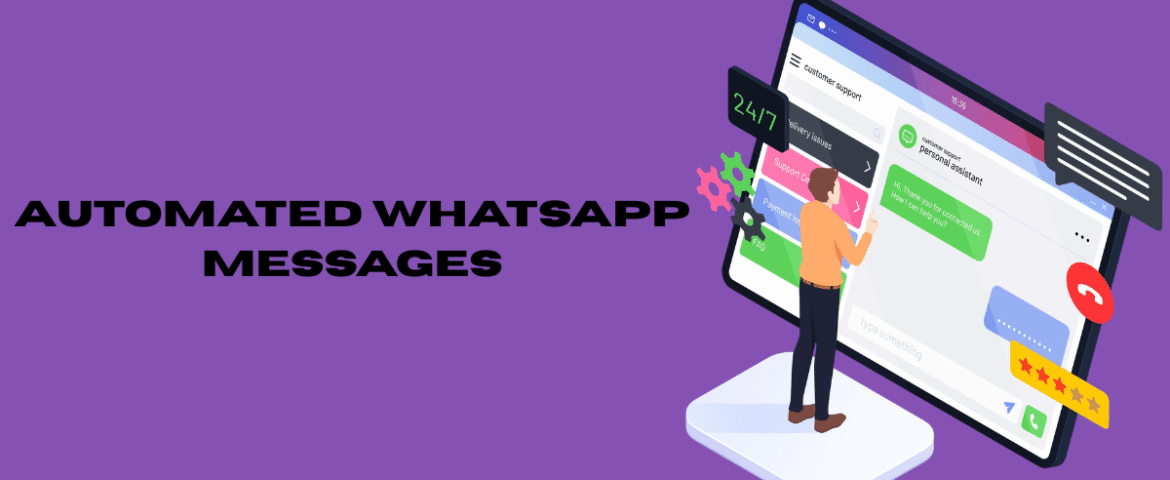
ConsultationWhat Are Automated WhatsApp Messages? Automated WhatsApp messages are pre-configured messages that are sent automatically when specific conditions or events occur. Instead of manually responding to every inquiry, businesses can use automation to instantly reply to customers, share important information, send reminders, and maintain continuous communication. Automation helps save time, improve response speed, and ensure that customers receive accurate information without unnecessary delays. Whether it is a greeting, order update, appointment reminder, or follow-up message, automation creates a more efficient communication process. With increasing customer expectations for instant responses, automated messaging has become an essential part of modern business communication. Why Automated WhatsApp Messages Matter Today’s customers expect immediate replies. Waiting several hours or even minutes can lead to missed opportunities. Automated messaging ensures every customer receives a timely response, regardless of business hours. Some major benefits include: Automation also enables businesses to serve multiple customers simultaneously without compromising communication quality. How Automated WhatsApp Messages Work Automation follows predefined rules or triggers. Whenever a customer performs a specific action, the system automatically sends the appropriate message. Common triggers include: The automation process runs continuously without requiring manual intervention. Types of Automated WhatsApp Messages Welcome Messages Welcome messages are automatically sent when a customer contacts the business for the first time. They create a positive first impression by acknowledging the customer’s message immediately. Example: “Hello! Thank you for reaching out. We’ve received your message and will assist you shortly.” Away Messages Away messages inform customers that responses may be delayed because the business is unavailable. Example: “Thank you for your message. We’re currently unavailable and will respond during our working hours.” Quick Replies Quick replies allow commonly asked questions to be answered instantly using predefined responses. These save time while maintaining consistency. Examples include: Order Confirmation Messages Customers appreciate immediate confirmation after placing an order. Automated confirmations provide reassurance that the request has been received successfully. Typical information includes: Shipping Notifications Shipping updates keep customers informed throughout the delivery process. These messages reduce customer inquiries and improve transparency. Common updates include: Appointment Reminders Businesses that schedule appointments can automatically remind customers before the appointment date. This significantly reduces missed appointments. Payment Reminders Automated payment reminders notify customers before due dates. They help improve payment collection while reducing manual follow-ups. Feedback Requests After completing a service or purchase, businesses can automatically request customer feedback. Feedback helps improve products, services, and overall customer experience. Follow-Up Messages Follow-up messages keep communication active after an interaction. These messages can encourage repeat purchases, answer remaining questions, or provide additional support. Benefits of Automated WhatsApp Messages Saves Time Employees spend less time responding to repetitive questions. Automation handles routine conversations while allowing staff to focus on more complex customer needs. Improves Customer Experience Instant responses create a smoother customer journey. Customers appreciate receiving quick acknowledgments and timely updates. Increases Efficiency Automation manages multiple conversations simultaneously without delays. This improves overall operational efficiency. Enhances Customer Engagement Regular automated communication keeps customers informed and connected. Relevant updates encourage continued interaction. Reduces Human Errors Predefined messages ensure consistent information is shared every time. This minimizes mistakes caused by manual typing. Supports Business Growth As customer inquiries increase, automation can handle larger communication volumes without requiring additional staff. Improves Response Availability Customers receive immediate replies even outside business hours. This creates a better customer experience around the clock. Common Use Cases Businesses use automated WhatsApp messages for various purposes, including: Automation can be adapted to suit almost any communication workflow. Best Practices for Automated WhatsApp Messages Keep Messages Clear Use simple language that is easy to understand. Avoid unnecessary details that may confuse customers. Personalize When Possible Including the customer’s name or relevant information creates a more engaging experience. Personalized communication feels more natural. Respond Quickly Automation is most effective when messages are delivered immediately after the triggering action. Timely communication improves customer satisfaction. Maintain Professional Language Messages should be polite, friendly, and easy to read. Professional communication builds trust. Avoid Message Overload Sending too many automated messages can overwhelm customers. Only send messages that provide genuine value. Test Automation Regularly Review message flows periodically to ensure everything functions correctly. Updating outdated information helps maintain accuracy. Keep Information Updated Business hours, pricing, contact information, and service details should always remain current. Customers rely on accurate information. Mistakes to Avoid Using Generic Messages Messages that sound robotic may reduce customer engagement. Adding personalization improves communication quality. Sending Irrelevant Messages Customers should only receive messages that match their actions or interests. Irrelevant communication may lead to customer frustration. Ignoring Customer Responses Automation should not replace genuine conversations. Customers should always have the opportunity to receive further assistance when needed. Complicated Message Flows Simple automation is easier for customers to understand. Avoid creating confusing conversation paths. Not Monitoring Performance Automation should be reviewed regularly. Monitoring response rates and customer interactions helps improve future messaging. Industries That Benefit from Automated WhatsApp Messages Many industries successfully use automation to improve communication. Examples include: Automation provides value wherever customer communication is important. Tips for Creating Effective Automated Messages Focus on Customer Needs Every automated message should solve a problem or provide useful information. Helpful communication improves customer satisfaction. Keep Messages Short Customers prefer concise messages that communicate important information quickly. Avoid long paragraphs whenever possible. Include Clear Next Steps Tell customers what they should do next. Examples include: Clear guidance improves customer experience. Maintain Consistent Tone Every message should follow the same communication style. Consistency builds familiarity and trust. Review Customer Feedback Customer feedback helps identify opportunities to improve automated conversations. Regular updates make automation more effective over time. Future of Automated WhatsApp Messages Automation continues to evolve with smarter technologies and improved communication tools. Future improvements may include: As customer expectations continue to grow, automation will remain an important part of digital communication strategies. Also Read : WhatsApp Marketing: The Complete Guide to Growing Your Business Conclusion Automated WhatsApp messages have transformed the way businesses communicate with customers by providing instant, consistent, and reliable communication.
Bulk WhatsApp messaging has become one of the most effective communication methods for businesses looking to connect with a large audience quickly and efficiently. With billions of active users worldwide, WhatsApp offers a familiar platform where customers are more likely to read and respond to messages compared to traditional communication channels. Whether the goal is promoting products, sharing updates, sending reminders, or delivering important announcements, bulk messaging allows organizations to reach thousands of recipients in a matter of minutes. When used responsibly and with customer consent, it helps build stronger relationships, improve engagement, and increase conversion rates. Unlike mass emails that often remain unopened or SMS messages with limited content, WhatsApp supports rich media such as images, videos, PDFs, buttons, and links. This creates more engaging conversations and delivers a better customer experience. What Is Bulk WhatsApp Messaging? Bulk WhatsApp messaging is the process of sending the same message to multiple recipients simultaneously. It enables businesses to distribute information efficiently without manually messaging every individual contact. These messages can include: Modern bulk messaging solutions also support personalized messages by inserting customer-specific details such as names, order numbers, appointment dates, or custom recommendations. Why Businesses Prefer WhatsApp for Bulk Messaging Customers spend significant time on WhatsApp every day, making it one of the most accessible communication platforms available. Messages often receive faster attention than emails, allowing businesses to engage users more effectively. Some major advantages include: High Message Open Rates WhatsApp messages are typically opened within minutes after delivery. This helps businesses communicate important information without long delays. Faster Customer Engagement Customers can instantly reply, ask questions, or request additional information. This two-way communication improves customer satisfaction. Multimedia Support Businesses can send: Rich content makes messages more attractive and informative. Cost-Effective Communication Sending bulk WhatsApp messages can reduce communication costs compared to traditional marketing channels while reaching a wider audience. Global Reach Businesses can communicate with customers across different cities and countries using a single platform. Benefits of Bulk WhatsApp Messaging Bulk messaging provides several advantages that help organizations improve communication and marketing performance. Improve Customer Engagement Customers appreciate receiving timely and relevant information directly on their preferred messaging platform. Personalized communication creates stronger relationships. Increase Sales Opportunities Businesses can instantly promote: Timely promotions encourage customers to make purchasing decisions faster. Save Time Instead of contacting customers individually, businesses can deliver messages to thousands of recipients in just a few clicks. Better Customer Retention Regular communication keeps customers informed about new services, updates, and exclusive offers, encouraging repeat business. Build Brand Awareness Consistent messaging helps customers remember products, services, and important announcements. Improve Customer Support Bulk messaging can provide: This reduces confusion while improving customer satisfaction. Popular Uses of Bulk WhatsApp Messaging Bulk messaging supports various communication needs across different industries. Promotional Campaigns Businesses frequently announce: Event Invitations Bulk messages make it easy to invite customers to: Appointment Reminders Organizations can reduce missed appointments by sending reminders before scheduled meetings. Order Updates Customers appreciate receiving notifications about: Payment Reminders Businesses can remind customers about upcoming or overdue payments without making individual phone calls. Customer Feedback After completing a purchase or service, businesses can request reviews and customer feedback through WhatsApp. Educational Campaigns Educational institutions and training providers can share: Features That Make Bulk WhatsApp Messaging Powerful Modern messaging platforms include several useful features. Personalized Messages Instead of sending generic content, businesses can personalize each message with customer information. Examples include: Personalization improves engagement and response rates. Scheduled Messaging Messages can be scheduled in advance for specific dates and times, ensuring timely delivery. Contact Segmentation Customers can be grouped based on: This allows more targeted communication. Message Templates Pre-approved templates help businesses maintain consistency while sending frequently used notifications. Analytics and Reporting Performance reports provide valuable insights such as: These insights help optimize future campaigns. Rich Media Support Businesses can send attractive content that includes images, videos, brochures, product catalogs, and documents. Best Practices for Successful Bulk WhatsApp Messaging Following best practices ensures better engagement and customer satisfaction. Obtain Customer Permission Always communicate with customers who have agreed to receive messages. Permission-based communication builds trust. Keep Messages Short Customers prefer concise and easy-to-read messages. Avoid unnecessary information. Personalize Communication Using customer names and relevant information makes messages feel more personal. Send Valuable Content Every message should provide useful information rather than constant promotions. Choose the Right Timing Avoid sending messages during late-night or inconvenient hours. Deliver communications when customers are most likely to respond. Avoid Message Overload Sending excessive messages may lead customers to ignore future communications. Maintain a balanced messaging frequency. Include a Clear Call to Action Encourage recipients to: Clear instructions improve customer responses. Types of Businesses That Benefit from Bulk WhatsApp Messaging Bulk messaging is suitable for organizations of all sizes. Retail Stores Retail businesses can promote: Healthcare Providers Healthcare organizations can send: Educational Institutions Schools and training centers can communicate: Restaurants Restaurants can announce: Travel Services Travel businesses can share: Real Estate Real estate professionals can distribute: Service Providers Businesses offering professional services can keep customers informed with reminders, maintenance schedules, and important notifications. Common Mistakes to Avoid Many businesses reduce campaign effectiveness by making avoidable mistakes. Sending Unwanted Messages Unsolicited messages may reduce customer trust and engagement. Ignoring Personalization Generic messages often receive lower response rates. Overusing Promotional Content Balance promotional messages with educational and helpful information. Poor Audience Segmentation Sending irrelevant messages to the wrong audience decreases engagement. Long Messages Lengthy messages discourage customers from reading the complete content. Inconsistent Communication Irregular messaging reduces customer awareness and engagement. How to Improve Bulk WhatsApp Campaign Performance Small improvements can significantly increase campaign success. Segment Your Audience Group customers according to their interests and preferences. Use Attractive Visuals Images and videos capture attention more effectively than plain text. Test Different Messages Experiment with different headlines, content styles, and calls to action. Monitor Performance Review campaign reports regularly to identify successful strategies. Focus on Customer Value Helpful content consistently outperforms repetitive promotional messages. Bulk WhatsApp Messaging for Customer
What is WhatsApp Marketing? WhatsApp marketing is a communication strategy that uses WhatsApp to connect with customers, promote products or services, provide support, send updates, and build long-term relationships. With billions of active users worldwide, WhatsApp has become one of the most effective messaging platforms for businesses that want direct and personalized communication. Unlike traditional marketing channels, WhatsApp enables real-time conversations. Messages are delivered instantly, allowing businesses to interact with customers in a more engaging and convenient way. From sharing promotional offers to answering customer queries, WhatsApp marketing creates a seamless communication experience. The platform supports text messages, images, videos, PDFs, voice notes, product catalogs, and interactive buttons, making it a versatile marketing tool for businesses of all sizes. Why WhatsApp Marketing is Important Customer expectations have changed significantly over the years. People prefer quick responses, personalized communication, and convenient support. WhatsApp fulfills these expectations by offering a familiar and user-friendly platform. Some major reasons why WhatsApp marketing has become important include: Businesses that communicate effectively through WhatsApp often experience stronger customer loyalty and better conversion rates. Benefits of WhatsApp Marketing High Open Rates WhatsApp messages are generally opened much faster than emails or SMS. This allows businesses to deliver important information quickly. Instant Customer Communication Customers can receive updates, ask questions, and get immediate responses without waiting for long email replies. Personalized Customer Experience Businesses can send personalized messages based on customer interests, previous purchases, or inquiries, creating a more meaningful interaction. Multimedia Support WhatsApp supports: This makes marketing campaigns more engaging than plain text messages. Improved Customer Support Customers appreciate fast assistance. Businesses can resolve queries, handle complaints, and provide after-sales support directly through WhatsApp. Cost-Effective Marketing Compared to many advertising channels, WhatsApp marketing requires relatively low investment while offering excellent engagement. Better Customer Retention Regular communication helps businesses stay connected with existing customers, increasing repeat purchases and long-term loyalty. How WhatsApp Marketing Works WhatsApp marketing begins by obtaining customer consent before sending messages. Businesses should always communicate with users who have voluntarily agreed to receive updates. The typical workflow includes: Building a Contact List Collect customer phone numbers through: Always ensure customers provide permission before messaging them. Segmenting Your Audience Not every customer has the same interests. Organizing contacts into groups improves message relevance. Examples include: Segmentation improves engagement and reduces unnecessary messaging. Creating Valuable Content Effective WhatsApp marketing focuses on delivering value rather than constant promotions. Useful content includes: Sending Messages at the Right Time Timing plays an important role in customer engagement. Avoid sending messages: Choose times when customers are more likely to read and respond. Types of WhatsApp Marketing Campaigns Promotional Campaigns Promotional campaigns inform customers about: Lead Generation Campaigns Businesses can capture potential customers by encouraging users to request information or inquire about services. Customer Support Campaigns Support messages improve customer satisfaction by providing: Feedback Campaigns Customer opinions help improve products and services. Businesses can request: Event Marketing WhatsApp is useful for promoting: Reminder Campaigns Reminder messages help customers remember: Features That Make WhatsApp Marketing Effective Rich Media Messaging Businesses can share attractive content through: Visual content usually performs better than plain text. Quick Replies Frequently asked questions can be answered quickly using predefined responses, saving time and improving efficiency. Automated Responses Automation allows businesses to: Automation ensures customers receive immediate responses even outside working hours. Labels and Contact Organization Contacts can be organized using labels for better management and faster follow-up. Broadcast Messaging Broadcast messages allow businesses to send updates to multiple customers individually without creating group conversations. Interactive Buttons Interactive buttons simplify customer actions by allowing them to: Best Practices for WhatsApp Marketing Obtain Customer Consent Always receive permission before sending marketing messages. Respecting customer preferences builds trust and complies with communication standards. Personalize Every Message Use customer names and tailor content according to their interests whenever possible. Keep Messages Short People prefer concise and easy-to-read messages. Avoid lengthy paragraphs. Provide Value Every message should offer something useful, such as: Avoid Excessive Messaging Sending too many promotional messages may cause customers to ignore future communications or unsubscribe. Use High-Quality Images Professional visuals improve customer engagement and increase the effectiveness of marketing campaigns. Include Clear Calls-to-Action Encourage customers to take action using simple instructions such as: Common WhatsApp Marketing Strategies Product Announcements Inform customers whenever new products or services become available. Exclusive Offers Reward subscribers with special discounts available only through WhatsApp. Customer Education Share educational content that helps customers understand products, services, or industry trends. Seasonal Promotions Plan campaigns around holidays, festivals, and shopping seasons. Limited-Time Offers Create urgency by promoting offers available for a short duration. Loyalty Programs Reward repeat customers with exclusive promotions and early access to new products. Abandoned Inquiry Follow-Up Reconnect with potential customers who previously expressed interest but did not complete their purchase or inquiry. Content Ideas for WhatsApp Marketing Businesses can regularly share: Educational Tips Provide useful information related to your industry. Product Demonstrations Show how products work through short videos or images. Customer Success Stories Share real experiences that highlight positive outcomes. Behind-the-Scenes Content Offer customers a glimpse into product creation, daily operations, or company culture without revealing confidential information. Polls and Surveys Ask customers for opinions to encourage interaction. Frequently Asked Questions Answer common questions proactively to reduce support requests. Common Mistakes to Avoid Sending Messages Without Permission Unsolicited messaging can damage customer trust and reduce engagement. Ignoring Customer Responses WhatsApp is designed for conversations. Respond promptly to customer inquiries. Overloading Customers Sending too many promotional messages may lead customers to stop engaging. Poor Quality Content Low-quality images, unclear messages, and spelling mistakes reduce professionalism. Inconsistent Communication Long periods without communication followed by excessive messaging create an inconsistent customer experience. Not Segmenting Contacts Sending identical messages to every customer often results in lower engagement. Measuring WhatsApp Marketing Performance Successful campaigns should be measured regularly. Key performance indicators include: Message Delivery Rate Measures how many messages successfully reach customers. Open Rate Indicates how many recipients view your messages. Response Rate Shows how many