
- Mail Address info@velnustech.com
- Phone Number +91-90990-05498

About Us
VelnusTech’s is designed to convert conversations into profitable sales transactions, supercharging your business growth.
ConsultationContact Info
- C-1024, Siddhivinayak Tower, Kataria Automobile Road Makarba, Ahmedabad - 380051
- +91 90990 05498
- info@velnustech.com
- Week Days: 09.00 to 18.00 Sunday: Closed
whatsapp notifications

Top 10 Best WhatsApp API Solutions: A Complete Guide to Choosing the Right One
- By KHUSHI LIMBASIYA
- 0 Comments
- Latest News technology
What Is a WhatsApp API? A Best WhatsApp API is a communication solution that enables businesses to send and receive WhatsApp messages at scale. Unlike the standard WhatsApp application, an API allows businesses to automate conversations, manage customer interactions, integrate with existing systems, and handle multiple chats efficiently. It is designed for businesses that require reliable, secure, and scalable messaging to improve customer communication. Why Use a WhatsApp API? A WhatsApp API helps businesses communicate with customers faster while improving efficiency and customer satisfaction. Key benefits include: Features of the Best WhatsApp API Fast Message Delivery A quality WhatsApp API delivers messages quickly, ensuring customers receive important updates without delays. Automation Automation allows businesses to send welcome messages, appointment reminders, order updates, follow-ups, and notifications automatically. Multi-User Access Multiple team members can manage customer conversations from a single platform, improving collaboration and response speed. CRM Integration The best WhatsApp API integrates with CRM systems to keep customer information organized and improve communication workflows. Chat Management Businesses can organize conversations, assign chats to team members, and monitor customer interactions efficiently. Rich Media Support A WhatsApp API supports sending: Rich media improves communication and customer engagement. Broadcast Messaging Businesses can send important announcements or promotional messages to multiple customers simultaneously while maintaining message quality. Real-Time Notifications Automated notifications help customers stay informed with updates such as: Secure Communication The best APIs provide secure messaging to protect customer information and maintain reliable communication. Benefits of Using the Best WhatsApp API Improves Customer Support Customers receive faster responses, reducing waiting times and increasing satisfaction. Saves Time Automation handles repetitive tasks, allowing teams to focus on complex customer requests. Increases Productivity Employees manage more conversations in less time with organized chat management and automation. Boosts Customer Engagement Quick responses and personalized communication encourage stronger customer relationships. Reduces Manual Work Routine tasks such as confirmations, reminders, and follow-ups are handled automatically. Supports Business Growth As customer inquiries increase, a scalable WhatsApp API can handle higher message volumes without compromising performance. Important Features to Look For Easy Integration Choose an API that integrates smoothly with your existing software and business tools. Reliable Performance Consistent uptime and fast message delivery are essential for uninterrupted communication. Automation Capabilities Look for features such as: Analytics Performance reports help businesses understand: Scalability The API should support increasing customer conversations as your business grows. User-Friendly Dashboard A simple interface helps teams manage conversations efficiently without extensive training. Common Use Cases Businesses use WhatsApp APIs for: Customer Support Provide instant assistance and resolve customer queries quickly. Lead Generation Capture inquiries and engage potential customers efficiently. Appointment Scheduling Automatically confirm appointments and send reminders. Order Updates Notify customers about order confirmation, shipping, and delivery status. Payment Notifications Send payment reminders and confirmations automatically. Feedback Collection Request customer reviews after completing purchases or services. Marketing Campaigns Share product launches, special offers, and important announcements with customers. Customer Onboarding Guide new customers through products or services with automated welcome messages. Best Practices Respond Quickly Fast replies improve customer satisfaction and increase engagement. Personalize Messages Use customer names and relevant information whenever possible. Keep Messages Short Clear and concise messages are easier to read and understand. Send Relevant Information Only send messages that provide value to the customer. Monitor Performance Review messaging reports regularly to improve communication strategies. Update Automated Messages Keep information accurate by reviewing message templates periodically. Mistakes to Avoid Sending Too Many Messages Excessive messaging may reduce customer engagement. Ignoring Customer Replies Automation should complement human support, not replace it completely. Using Confusing Language Simple communication improves customer understanding. Poor Workflow Design Well-organized automation creates a better customer experience. Failing to Test Integrations Regular testing helps prevent delivery issues and communication errors. How to Choose the Best WhatsApp API When selecting a WhatsApp API, consider the following factors: Choosing a solution that aligns with your communication goals ensures better long-term results. Future of WhatsApp APIs Messaging technology continues to evolve with advanced automation and smarter communication features. Future improvements may include: As businesses continue adopting conversational communication, WhatsApp APIs will remain an essential tool for customer engagement. Also Read : Automated WhatsApp Messages: The Complete Guide to Smarter Customer Communication Conclusion A high-quality WhatsApp API enables businesses to communicate faster, automate repetitive tasks, improve customer satisfaction, and manage conversations efficiently. From customer support and order updates to appointment reminders and marketing campaigns, a reliable API helps streamline communication while saving valuable time. By selecting an API with strong automation, security, scalability, and integration capabilities, businesses can build better customer relationships and support long-term growth. Frequently Asked Questions (FAQs) Q1. What is a WhatsApp API? A WhatsApp API is a messaging solution that allows businesses to automate and manage customer conversations at scale. Q2. Why should businesses use a WhatsApp API? It improves customer communication, automates repetitive tasks, increases efficiency, and supports business growth. Q3. Can a WhatsApp API send automated messages? Yes. It can send welcome messages, reminders, order confirmations, notifications, and follow-up messages automatically. Q4. Is a WhatsApp API suitable for small businesses? Yes. Businesses of all sizes can use a WhatsApp API to improve communication and customer support. Q5. Can multiple users manage chats? Yes. Most WhatsApp APIs support multiple users handling customer conversations simultaneously.
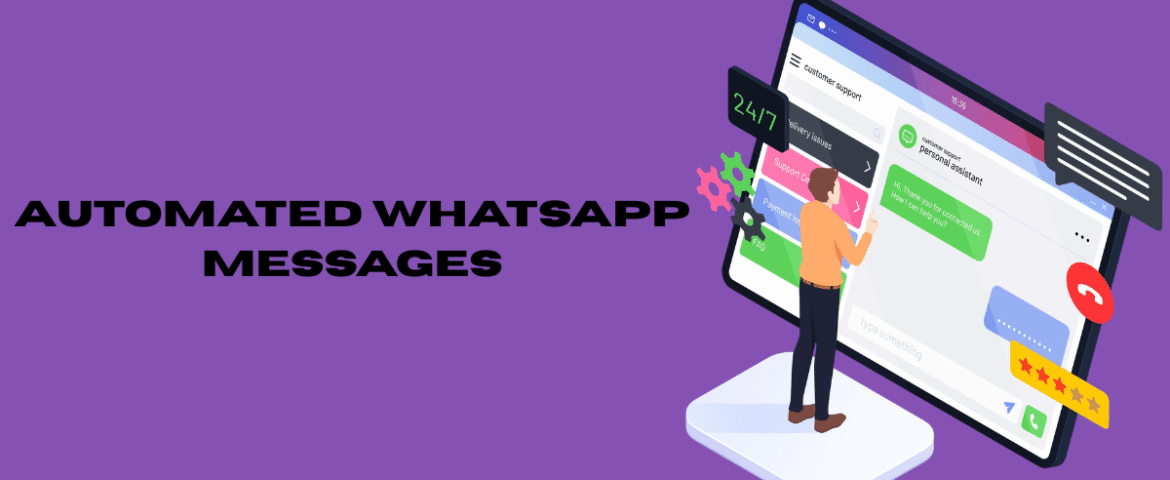
Automated WhatsApp Messages: The Complete Guide to Smarter Customer Communication
- By KHUSHI LIMBASIYA
- 0 Comments
- Latest News technology
What Are Automated WhatsApp Messages? Automated WhatsApp messages are pre-configured messages that are sent automatically when specific conditions or events occur. Instead of manually responding to every inquiry, businesses can use automation to instantly reply to customers, share important information, send reminders, and maintain continuous communication. Automation helps save time, improve response speed, and ensure that customers receive accurate information without unnecessary delays. Whether it is a greeting, order update, appointment reminder, or follow-up message, automation creates a more efficient communication process. With increasing customer expectations for instant responses, automated messaging has become an essential part of modern business communication. Why Automated WhatsApp Messages Matter Today’s customers expect immediate replies. Waiting several hours or even minutes can lead to missed opportunities. Automated messaging ensures every customer receives a timely response, regardless of business hours. Some major benefits include: Automation also enables businesses to serve multiple customers simultaneously without compromising communication quality. How Automated WhatsApp Messages Work Automation follows predefined rules or triggers. Whenever a customer performs a specific action, the system automatically sends the appropriate message. Common triggers include: The automation process runs continuously without requiring manual intervention. Types of Automated WhatsApp Messages Welcome Messages Welcome messages are automatically sent when a customer contacts the business for the first time. They create a positive first impression by acknowledging the customer’s message immediately. Example: “Hello! Thank you for reaching out. We’ve received your message and will assist you shortly.” Away Messages Away messages inform customers that responses may be delayed because the business is unavailable. Example: “Thank you for your message. We’re currently unavailable and will respond during our working hours.” Quick Replies Quick replies allow commonly asked questions to be answered instantly using predefined responses. These save time while maintaining consistency. Examples include: Order Confirmation Messages Customers appreciate immediate confirmation after placing an order. Automated confirmations provide reassurance that the request has been received successfully. Typical information includes: Shipping Notifications Shipping updates keep customers informed throughout the delivery process. These messages reduce customer inquiries and improve transparency. Common updates include: Appointment Reminders Businesses that schedule appointments can automatically remind customers before the appointment date. This significantly reduces missed appointments. Payment Reminders Automated payment reminders notify customers before due dates. They help improve payment collection while reducing manual follow-ups. Feedback Requests After completing a service or purchase, businesses can automatically request customer feedback. Feedback helps improve products, services, and overall customer experience. Follow-Up Messages Follow-up messages keep communication active after an interaction. These messages can encourage repeat purchases, answer remaining questions, or provide additional support. Benefits of Automated WhatsApp Messages Saves Time Employees spend less time responding to repetitive questions. Automation handles routine conversations while allowing staff to focus on more complex customer needs. Improves Customer Experience Instant responses create a smoother customer journey. Customers appreciate receiving quick acknowledgments and timely updates. Increases Efficiency Automation manages multiple conversations simultaneously without delays. This improves overall operational efficiency. Enhances Customer Engagement Regular automated communication keeps customers informed and connected. Relevant updates encourage continued interaction. Reduces Human Errors Predefined messages ensure consistent information is shared every time. This minimizes mistakes caused by manual typing. Supports Business Growth As customer inquiries increase, automation can handle larger communication volumes without requiring additional staff. Improves Response Availability Customers receive immediate replies even outside business hours. This creates a better customer experience around the clock. Common Use Cases Businesses use automated WhatsApp messages for various purposes, including: Automation can be adapted to suit almost any communication workflow. Best Practices for Automated WhatsApp Messages Keep Messages Clear Use simple language that is easy to understand. Avoid unnecessary details that may confuse customers. Personalize When Possible Including the customer’s name or relevant information creates a more engaging experience. Personalized communication feels more natural. Respond Quickly Automation is most effective when messages are delivered immediately after the triggering action. Timely communication improves customer satisfaction. Maintain Professional Language Messages should be polite, friendly, and easy to read. Professional communication builds trust. Avoid Message Overload Sending too many automated messages can overwhelm customers. Only send messages that provide genuine value. Test Automation Regularly Review message flows periodically to ensure everything functions correctly. Updating outdated information helps maintain accuracy. Keep Information Updated Business hours, pricing, contact information, and service details should always remain current. Customers rely on accurate information. Mistakes to Avoid Using Generic Messages Messages that sound robotic may reduce customer engagement. Adding personalization improves communication quality. Sending Irrelevant Messages Customers should only receive messages that match their actions or interests. Irrelevant communication may lead to customer frustration. Ignoring Customer Responses Automation should not replace genuine conversations. Customers should always have the opportunity to receive further assistance when needed. Complicated Message Flows Simple automation is easier for customers to understand. Avoid creating confusing conversation paths. Not Monitoring Performance Automation should be reviewed regularly. Monitoring response rates and customer interactions helps improve future messaging. Industries That Benefit from Automated WhatsApp Messages Many industries successfully use automation to improve communication. Examples include: Automation provides value wherever customer communication is important. Tips for Creating Effective Automated Messages Focus on Customer Needs Every automated message should solve a problem or provide useful information. Helpful communication improves customer satisfaction. Keep Messages Short Customers prefer concise messages that communicate important information quickly. Avoid long paragraphs whenever possible. Include Clear Next Steps Tell customers what they should do next. Examples include: Clear guidance improves customer experience. Maintain Consistent Tone Every message should follow the same communication style. Consistency builds familiarity and trust. Review Customer Feedback Customer feedback helps identify opportunities to improve automated conversations. Regular updates make automation more effective over time. Future of Automated WhatsApp Messages Automation continues to evolve with smarter technologies and improved communication tools. Future improvements may include: As customer expectations continue to grow, automation will remain an important part of digital communication strategies. Also Read : WhatsApp Marketing: The Complete Guide to Growing Your Business Conclusion Automated WhatsApp messages have transformed the way businesses communicate with customers by providing instant, consistent, and reliable communication.